CN Glass Winter Home Check-List

Quick Summary

A winter home checklist for windows and doors focuses on identifying draughts, degraded seals, internal condensation, and mechanical hardware faults. Checking window and door perimeters by hand reveals unwanted cold air infiltration. Inspecting rubber seals ensures weatherstripping remains free of cracks and physical gaps. Moisture or misting between double-glazed glass panes indicates a failed sealed unit requiring replacement. Testing locks and hinges confirms doors and windows close fully to prevent thermal loss. Replacing damaged units through CN Glass restores building thermal performance and lowers winter heating expenditure.

Drafts: Run your hand around the edges of windows and doors – can you feel cold air coming through?

Seals: Inspect rubber seals for cracks or gaps. Worn seals can let heat escape.

Condensation: Look for moisture between double-glazed panes – this may indicate a failed unit.

Locks & Hinges: Ensure doors and windows close tightly. Loose fittings can reduce insulation.

Frames: Check for gaps between the frame and wall. Even small spaces can cause heat loss.

Glass Efficiency: If your windows are single-glazed or older double-glazing, consider upgrading to modern energy-efficient glass.

Small fixes can make a big difference, but if you notice bigger issues, CN Glass is here to help with expert advice and solutions tailored to your home.
Similar Posts

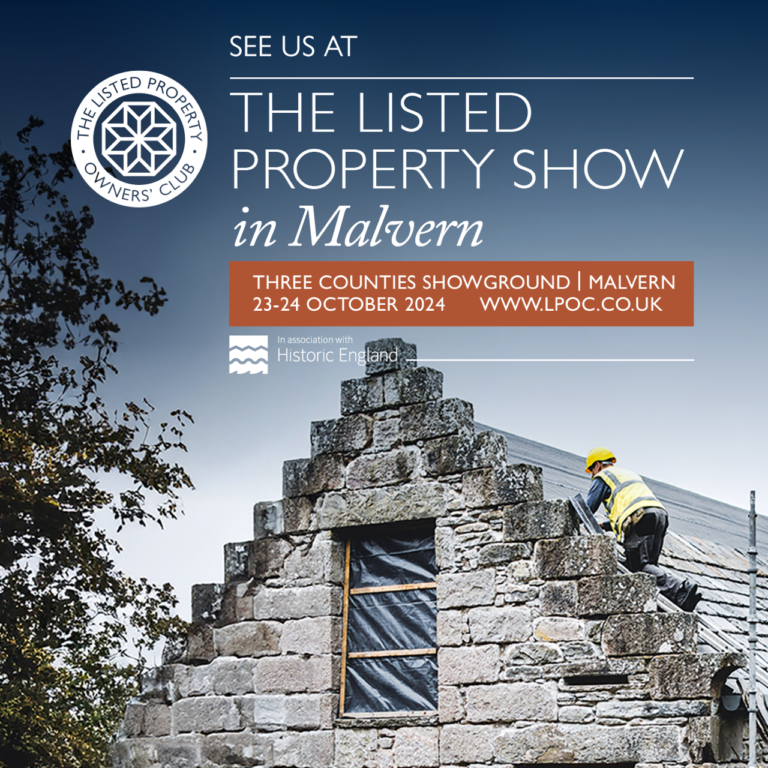
  • CN Glass at the Listed Property Show 2024

    CN Glass supplies specialist heritage glazing solutions for historic and listed buildings, featured at The Listed Property Show 2024. Exhibited products include CN Slim Heritage double-glazed units and LandVac Heritage Vacuum Glazing, designed to replicate single glazing aesthetics while dramatically enhancing thermal insulation. These solutions improve energy efficiency and noise reduction without altering original architectural character or historic framing. CN Glass provides expert guidance, timber window solutions, low-emissivity glass, and bespoke restoration glass for conservation projects across historic properties.

  • CN Glass at The Listed Property Show

    CN Glass showcases specialist heritage glazing solutions for listed and historic properties at The Listed Property Show. Exhibited products include CN Slim Heritage double glazed units, LandVac heritage vacuum glazing, and bespoke secondary glazing systems. These specialised installations enhance thermal insulation and acoustic performance without altering period aesthetics or requiring listed building planning consent. CN Glass experts provide practical live demonstrations, including traditional face puttying techniques, alongside technical guidance for heritage window restoration. Homeowners and conservation specialists consult CN Glass to balance historic preservation with modern energy efficiency standards.

  • Industry Experts Gather in Oxford for CN Glass X Vacuum Glazing UK CPD Event

    On 9th September 2026 we hosted our first CPD Event in partnership with Vacuum Glazing UK in Oxford, bringing together architects, conservation specialists, joiners, and construction professionals from across the industry. Our aim : To highlight LandVac Vacuum Glazing as a key contender of glazing technology and as a viable solution for projects where conventional…

  • Precision and Performance with In-House Manufactured Sealed Units

    In-house manufactured double and triple glazed sealed units improve building performance by providing superior thermal insulation under BS EN 1279 standards. Producing these high specification units locally in Oxfordshire eliminates outsourcing delays, ensures rigorous quality checks, and prevents transit damage. Utilising advanced warm edge spacer bars, insulating argon gas, and low-emissivity coatings significantly lowers U values and prevents internal condensation. This flexible manufacturing process accommodates bespoke specifications, from slimline heritage glazing for historic properties to heavy duty safety glass for commercial facades, securing long term durability and structural integrity.

  • |

    How Long Does Double Glazing Last in Commercial Buildings?

    Double glazing in commercial buildings lasts between twenty and thirty-five years. High-quality commercial installations achieve maximum longevity due to robust structural specifications. The service life depends on manufacturing standards, environmental exposure, and daily site traffic. Seal degradation eventually causes condensation between the glass panes and reduces thermal insulation. Regular maintenance inspections and prompt repairs extend the lifespan of these glazing units. Replacing failed double-glazed seals prevents energy loss and maintains building efficiency standards.

  • The Role of Warm Edge Spacers in Achieving Low U-Values for Commercial Projects

    Warm edge spacers are critical for achieving low whole window $U_w$ values in commercial glazing by eliminating the thermal bridging associated with traditional aluminium bars. Manufactured from low-conductivity materials like engineering plastics or silicone foam, these spacers significantly reduce linear heat loss around the glass perimeter. This technical improvement helps developers meet Approved Document L requirements, minimises condensation risks, and improves occupant comfort near large glazed facades. By absorbing structural movement and reducing stress on edge seals, high performance warm edge systems prevent premature unit failure, securing long-term durability for commercial building facades.